

edsprout : Best resources for entrepreneurs and small business owners
edsprout : Best resources for entrepreneurs and small business owners
Edsprout is one of a kind, all-in-one resources box for entrepreneurs, small business owners, aspiring business owners and curious minds. Edsprout offers a unique combination of learning materials to enhance retention of information and enables the users to apply the learning in the practical situations

Burger Flipping Robot May Mean Cost Savings for Small Restaurants

As California continues its march to a minimum wage of $15 an hour, companies are scrambling to find out-of-the-box ways to remain competitive, even if it means replacing increasingly expensive human workers with machines.
Or more specifically, replacing fast food burger flippers with a robot named Flippy.
A Pasadena, California, fast food restaurant called CaliBurger has just debuted its newest employee, and this one never calls out sick, never files worker’s compensation, never complains, never takes smoke breaks and always does what it’s programmed to do.
In other words, it looks like the “employee of the month” award is no longer up for grabs.
Meet Flippy the Robot Burger Flipper
KTLA5 went to the restaurant to document Flippy in action:
Cali Group CEO John Miller says it’s all about consistency, not jobs, although it doesn’t take a rocket scientist, or even a burger flipper, to see where this is headed.
“The key to success in the restaurant industry is consistency. So anytime you go to a CaliBurger anywhere you know that the patty will be cooked exactly the same,” Miller told KTLA5.
Developed by Miso Robotics and sold at a cost of $60,000, or about the cost of less than two California minimum wage workers for one year, Flippy uses thermal imaging and 3D and camera vision to determine when to flip and when to remove the burgers. It can even sense the size and temp of the patty compared with the grill surface temperature and has the ability to use artificial intelligence to learn new tasks.
Pretty high-tech, but Flippy does need humans to put the raw patties on the grill, add cheese, and generally make sure things are running smoothly… for now.
“The kitchen of the future will always have people in it, but we see that kitchen as having people and robots,” said Miso CEO David Zito, who sees the robot as a way to cut costs and render aid to what is a “hot, greasy, dirty” job.
“This technology is not about replacing jobs — we see Flippy as that third hand,” Zito said.
Maybe not yet, but if California Democrats keep it up the only kind of help many businesses will be able to afford will be the kind that has no pulse.
Republished by permission. Original here.
Photo via Miso Robotics
This article, “Burger Flipping Robot May Mean Cost Savings for Small Restaurants” was first published on Small Business Trends

80% of Female Employees Would Quit Your Company Over Gender Bias

If gender bias is an issue in your organization, you may lose employees as a result. A survey released by Randstad US says 80 percent of female employees would switch to a company with greater gender equality if faced with such issues.
Gender Equality Survey Results
The survey looked at how men and women relate to gender equality, diversity and inclusion in the workplace, along with the perception and experiences they have when it comes to the sexes. Overall, the participants said working in a place where everyone is treated equally is important to them.
While a small business with a few employees may not be impacted the same way as a big company with a large workforce, it is important to create a positive environment no matter what your company’s size. According to McKinsey Global Institute, gender diverse companies are 15 percent more likely to financially out-perform their peers. The firm also says gender parity could add $12 trillion to the global economy
Audra Jenkins, chief diversity and inclusion officer at Randstad North America, addressed the need for companies to change. In a press release, Jenkins said, “… For companies that fail to establish an inclusive workplace, attracting and retaining quality talent will be a major challenge in the years ahead.”
Takeaway From the Survey
When it comes to the workplace, 78 of the respondents in the survey said it is important everyone is treated equally regardless of their gender, sexual orientation, age, race or religion. But according to employees, more than half of the companies they work for are not meeting their expectation in this area. This was the case for 56 percent of the females and 52 percent of the males.
When it comes to gender equality, failure to address these issues is a deal breaker for women. Disparities in salaries, opportunities, and mentorship programs are all examples of inequality.
Other gender inequality issues came in the form of promotions to leadership based on gender. Fifty-eight percent of the women responding reported inequality in promotions to leadership positions where they worked, while only 34 percent of men reported seeing this. And when it came to opportunities, only 31 percent said they were available as much or more for men where they are currently working.
Equal pay is one of the biggest issues when it comes to gender inequality, and 53 percent said it was the top factor, while 49 percent said outdated biases and stereotypes was the biggest issue in the workplace.
In the survey, 49 percent of female workers said they would leave their job if they found out a male counterpart was making 25 percent more. Asked if they agreed with the statement, “I believe I am paid fairly, compared to my counterparts,” almost a quarter, or 23 percent, said they didn’t.
Progress is taking place, but it is slow in coming. As Jenkins explained, “Change doesn’t happen overnight.”
Photo via Shutterstock
This article, “80% of Female Employees Would Quit Your Company Over Gender Bias” was first published on Small Business Trends

How One Female Entrepreneur Built a Business on Merch by Amazon

Merch by Amazon is a print on demand service from Amazon that lets entrepreneurs upload their own designs to be printed on t-shirts. Amazon then prints and ships the products directly to customers and sellers make money off of the royalties from their designs. It also means you don’t need to actually handle any physical merchandise.
It’s also free to sign up, potentially offering small business owners an opportunity to add extra revenue streams to their existing businesses without having to dedicate a lot of resources. Appropriate for the recognition of International Women’s Day, one female entrepreneur shares the secrets she’s learned to build a business with the innovative Amazon service.
Kim Jensen is an entrepreneur who has found success selling designs using Merch by Amazon over the past year. Here are some tips from Jensen that she’s learned through her own experience.
Learn How to Design — or Hire Someone
Obviously, since the idea by Merch by Amazon is to sell designs you create on t-shirts and similar products, being able to design is a pretty important part of the process. However, this isn’t a skill that Jensen really possesses.
She said in a phone interview with Small Business Trends, “I have no design background at all. I don’t know Photoshop, Illustrator, I couldn’t make a t-shirt design.”
So after she applied and was accepted to use Merch by Amazon, she asked her daughter, who was in college and in need of work, if she would handle the design part of the business.
Whether you have a family member or partner who can help you with the designs or the ability to hire an actual designer, you don’t necessarily need a lengthy design background to run a successful business using Merch by Amazon. But if you don’t have help, you could also take some design courses to develop your skills on your own.
Keep Up with Current Trends
Jensen says that the early days of her experience with Merch by Amazon weren’t hugely profitable. She and her daughter were still figuring out what types of designs they wanted to feature. Then last year’s Solar Eclipse changed everything.
They uploaded a couple of shirt designs to commemorate the event, and they were hugely popular. Jensen said that the shop actually made more money from Merch by Amazon royalties in just two weeks last summer than she made in a whole year working at her full-time job.
For that reason, she really recommends that sellers keep an eye on trending topics to come up with design ideas that might appeal to the masses.
She says, “I would say just keep up with trends and with what’s showing up in stores and what people are talking about.”
Get Designs Launched Early
When uploading designs related to current events or trending topics, timing is key. If you wait until every other seller has already uploaded their own designs related to the same topic, yours is likely to get buried within the hundreds or even thousands of pages of similar designs. Eventually, Amazon had about 2,000 pages of Solar Eclipse t-shirts. But Jensen uploaded one of the first, leading to early sales and increased visibility.
She added, “I think the fact that there were only a few Eclipse shirts out there when we launched ours made a big difference. Ours started selling really well and then by the time everyone else got theirs listed, we already had a lot of sales so we were showing up in the first page of results.”
Branch Out
Merch by Amazon doesn’t have to be your only business opportunity. In fact, Jensen already had a traditional Amazon shop and continues to run it while also adding designs using Merch by Amazon. So you can use it as another revenue stream for your existing business, or start with Merch by Amazon and then add more revenue streams from there. Additionally, Merch by Amazon is non-exclusive, so you can sell those same designs on other platforms if you so choose.
Get Started Right Away
If you’re still unsure about jumping into Merch by Amazon, Jensen points to the lack of upfront cost as a great reason to take advantage of the opportunity. Even if you’re not sure about your design skills or what type of products you want to offer, you can sign up and figure out those details later on.
Jensen says, “It doesn’t cost anything. It’s like a completely free way to start a business or add to your business so just start out. Don’t wait. Then keep plugging away because if you keep listing new products and make things that people identify with, it’s eventually going to pay off.”
Image: Amazon
This article, “How One Female Entrepreneur Built a Business on Merch by Amazon” was first published on Small Business Trends
Acuity Academy Introduction Video – Fraud prevention and Small Business Advice!
Acuity Academy Introduction Video – Fraud prevention and Small Business Advice!
Be sure to subscribe! https://goo.gl/E3MGMs
Visit our Website for more:
Small business is the #1 victim of internal fraud. On average, companies lose 5% of their gross sales to embezzlement. Acuity Academy is the preeminent resource for small business, nonprofits, and those that consult with small organizations to educate themselves on the risk of fraud and find unparalleled resources which will assist them in reducing fraud risk.
Forensic accountant Tiffany Couch is the author of “The Thief in Your Company”. She has seen theft in many forms, but what sticks with her the most is not the fraud schemes or the dollar losses. It’s the victims who all experience the same emotional devastation that these crimes leave in their wake.
Acuity Academy Introduction Video – Fraud prevention and Small Business Advice!

Top 7 Tax Filing Software Products for Small Business Owners

Filing tax returns can be a time-consuming and complex task. Tax filing software enables you to accurately and quickly file tax returns meaning you can spend more time doing what you do best — running your own business.
Best Tax Filing Software
Take a look at the following best tax filing software products for small business owners.
H&R Block
With H&R Block, you can file taxes online from any device. Users have the option of having their return checked for free by a tax professional before they file, to ensure accuracy and help them get the maximum refund.
You can import the data from your W-2 or other leading software, eliminating the need to redo data entry. With this software, you can file your tax return directly to the IRS through an encrypted and secure program. Furthermore, if you file your federal tax with H&R Block, you can add some or all your refund to an Amazon.com gift card.
H&R Block’s self-employed online tax filing costs $74.99 plus $36.99 per state filed.
TurboTax
TurboTax is an easy-to-use tax filing software, which has free federal and state filing options for 1040EZ and 1040A filers. Tax returns are filed with 100% accuracy. You can also benefit from live tax advice from a CPA or enrolled agent about your unique tax situation. One stand-out feature is that you can prepare taxes from multiple businesses in one place.
TurboTax provides a final review of your return with a CPA or enrolled agent, giving you total peace of mind. TurboTax Business costs $169.99, and has five free federal e-files included.
TaxSlayer
TaxSlayer is full of great features, including guaranteeing the maximum refund you are entitled to, and, if you don’t receive the maximum refund, TaxSlayer will refund you the applicable TaxSlayer purchase price paid. TaxSlayer also offers the option to deduct your TaxSlayer filing fees directly from your federal tax refund.
You can prepare and e-file your taxes on the go from any laptop or mobile device. TaxSlayer’s self-employed tax filing software costs an inexpensive $40. The Premium option costs $35 and includes VIP support and Tax Pro.
Liberty Tax
Liberty Tax provides fast, accurate, easy and secure online tax filing software, which is backed by Liberty Tax’s award-winning support available through chat, email, social media or in-person at Liberty Tax’s 4000+ locations.
The system allows you to decide which aspects of a return you would like to work on. Taxes can be filed in as little as 15 minutes and 100% accuracy is guaranteed as Liberty Tax double checks every calculation, meaning you can file with confidence. Liberty Tax’s Premium Tax Filer costs $70.
TaxAct
Costing $44.95, TaxAct’s inexpensive freelance edition is ideal for small business owners, freelancers and contractors. It allows you to file one federal tax return and each e-file state tax return will cost an additional $37.00.
TaxAct guarantees a maximum refund and carries a $100,000 accuracy guarantee. TaxAct provides seven years of access to your return. It also provides free technical phone support if you require it.
e.smart Tax
The e.smart Tax’s Premium tax filing software package is available for an affordable $58.95. It enables small business owners to prepare and e-file their 1040 forms without any hassle. The system is backed by the professional tax advice of e.smart’s tax professionals and provides a 100% accuracy guarantee.
You can import your W-2 information with the press of a button, as well as last year’s return. The software checks this information for hundreds of credits and deductions to get you the biggest refund. With itemized deductions, e.smart makes sure you get the highest amount available. You can even get credit for your loved ones with this tax filing software.
Free Tax USA
Free Tax USA provides free e-filing of your federal tax returns straight to the IRS. State tax returns cost $12.95. Free Tax USA’s Advanced product option is suitable for small businesses looking for a free tax filing solution.
The Deluxe product has more features, including audit assist protection giving you peace of mind by having a tax specialist help you through your tax return. The product also offers Live Chat with Priority Support, which enables you to jump to the front of the support queue. This additional assistance costs just $6.99.
When it comes to the arduous, complicated and time-consuming task of preparing and filing tax returns, investing in tax software like the ones mentioned above, will help you file your tax return with confidence and at a fraction of the cost of a CPA or other tax professional.
Photo via Shutterstock
This article, “Top 7 Tax Filing Software Products for Small Business Owners” was first published on Small Business Trends

What to do After a Natural Disaster Strikes Your Business?

A natural disaster can strike at any time, particularly during the winter when storms, flooding, blizzards and high winds are unavoidable. For small businesses hit by a natural disaster, the impact can be irreversibly damaging. It is vital small business owners act quickly following a natural disaster to protect employees, provide continuity and repair property or infrastructure.
There are measures small businesses can take in the wake of a natural disaster to help minimize the impact and damage. Take a look at what you should do after a natural disaster strikes your business.
Implement Your Disaster Plan
In its natural disaster recovery guide, the U.S. Chamber of Commerce advises businesses to implement their recovery plan as soon as a disaster strikes. Implementing the plan will ensure the correct policies and procedures are carried out when a small business is faced with a natural disaster.
Consider Moving to a Backup Location
The damage to the business’s premises and infrastructure should be assessed without delay. If the damage compromises the safety of employees or prevents continuity of business operations, the business should move to a backup location.
Call FEMA or SBA Immediately
In its guide to Disaster Assistance Programs, the Small Business Administration (SBA) advises that if immediate assistance is required, small businesses should call the Federal Emergency Management Agency (FEMA), or the SBA in its local community. FEMA can be reached at 1-800-621-3362 and SBA’s Disaster Assistance team at 1-800-659-2955.
Provide Employees with Support and Assistance
The U.S. Chamber of Commerce notes the importance of providing employees with support and assistance. This can be in the immediate wake of a disaster by informing the local medical services or in the longer term for employees who may be shaken up and disturbed by the event and require some counselling to help get over the trauma.
Put a Communications Strategy into Place
Communication is vital in the case of a natural disaster causing damage and destruction to a business. A communications strategy should be put in place quickly, which means important facts, information and advice are fed to staff, suppliers, clients and customers and, if need be, the media, to ensure those who should be informed are kept up to date.
Cultivate Partnerships with the Local Community
The U.S. Chamber of Commerce also recommends that small businesses cultivate partnerships and relations with the local community, including other businesses, local government agencies, and non-profits, which may be able to collectively advise, support, and help one another.
Document All Damage
In the wake of a disaster, all damage should be clearly documented and safely recorded. Part of a comprehensive disaster plan should include who is going to identify and record the damage, so this vital task can be carried out without hesitation or delay.
Take Photos of the Damage
When documenting the damage, it is a good idea to take photos of the premises or even a video, as such visual evidence can be crucial when making insurance claims.
File Insurance Claims
The quicker insurance claims are filed the better. Businesses need to get in touch with their insurance company as soon as possible and inform them of the situation and any damages that occurred. The sooner insurance claims are made, the quicker the business will receive a payout, which can be vital in helping it recover some of the financial costs the natural disaster may have caused.
Inform Lenders About the Situation
Small businesses should also get in touch with their lenders or other financial institutions and let them know of the emergency situation. Many lenders will work with businesses, possibly deferring payments and fees until they are back up and running.
Use Any Reserves Saved for the Unexpected
Sensible businesses will have a reserve saved for emergency situations like a natural disaster. Now’s the time to use such reserves to take care of vital cash flow, such as paying employee wages or for repairs until insurance claims come through to help keep the small business running.
Take Time to Recuperate
While a business needs to be operating as quickly as possible following a natural disaster, it is important to remember that workers, managers, and bosses are only human and will need time to recuperate from the disruption and anguish.
Ensure employees are mentally and physically prepared to return to work following a disaster as going back to work too early is likely to result in an unproductive workforce and low morale.
Allow Flexible Working or a Change of Scenery
Having a change of scenery can help those affected by a work-based natural disaster get over the ordeal. Even if your premises are ready to be worked in again, allowing staff to work at home or from other locations could help them feel more mentally prepared to return to work.
Having cloud-based systems and remote-working technology set up can mean the business could operate even if the premises are not ready or the staff does not feel emotionally ready to return to the facility where the disaster struck.
Take Out a Low-Interest Disaster Loan
If the business is really strapped for cash in the wake of a natural disaster, you could consider taking out a low-interest disaster loan. The SBA has two loan programs to help business victims of a natural disaster stay on their feet.
Get an Extension on Tax Filing Dates
For businesses located within areas where disasters have been declared by the federal government, it is possible to get an extension of your tax filing deadlines. Some extensions can be as long as up to five years.
When it comes to natural disasters, small businesses can never be over prepared. You can learn more about how to prepare your business and what actions to take in the wake of a natural disaster in this disaster preparedness guide and this 21-Point Checklist for Preparing for Natural Disasters.
Photo via Shutterstock
This article, “What to do After a Natural Disaster Strikes Your Business?” was first published on Small Business Trends

What Everyone Can Learn from a Successful Entrepreneur

When it comes to the entrepreneurship, most people focus on how they can grow a business. But, the reasons why a person should start a company don’t get nearly enough attention, particularly how powerful (albeit, a bit crazy) starting a business can be.
Entrepreneurship has the ability to unlock human potential, no matter what type of entrepreneur you happen to be. It allows people to craft their destinies by finding meaningful work that doesn’t just help themselves, but others as well.
An Inspirational Small Business Story
John Cronin, a 21-year-old entrepreneur who is the mind behind John’s Crazy Socks, a million+ dollar business focused on making fun, creative, and colorful socks available to the masses. And he doesn’t let anything stop him from reaching for success, including Down’s Syndrome.
Founding a Company
John and his father, Mark X. Cronin, are co-founders of John’s Crazy Socks. The company operates online, though is physically based in Long Island, New York.
After his birth, John was diagnosed with Down’s Syndrome. He worked diligently throughout his life and, upon graduating from high school, decided he wanted to start a company with his dad.
As they began discussing the prospect, John’s first idea was a “fun store,” though the pair never quite worked out what that would be.
Then, they considered a food truck because John and Mark had seen a movie about a father and son operating a food truck, and it “seemed like a good idea.” But, they identified a problem. According to John, “Both of us can’t cook.”
The third concept was the winner, John and Mark’s unicorn of an idea was to sell socks because John had worn “crazy socks my entire life.” John believed it would be fun and creative, and the pair decided to give it a whirl.
John’s Crazy Socks Takes Off
During 2017, John’s Crazy Socks pulled in $1.75 million in gross sales, representing 42,710 separate orders. The online store sells 1,500 different kinds of socks, giving shoppers a lot of options from which to choose. Their inventory includes colorful variants of classic shapes including no-show, ankle, crew, knee high, and above the knee socks.
Plus, John had a knack for making the customer’s feel special. He includes sweet treats and a thank you note with every order that heads out the door. And, for shopper’s in Long Island, John will even deliver the socks in person.
The pair attribute much of their growth to positive word-of-mouth as well as a strong presence on social media. Additionally, many people identify with the story, and they have been fortunate to receive substantial media coverage, leading to significant sales increases.
John’s Crazy Socks also now employs a dozen full-time staff members, eight of which have some form of diagnosed disability.
“It’s imperative to hire people with disabilities, and not simply because it seems the right thing to do,” Mark stated. “Employers complain that they can’t find enough workers and here is an untapped pool of excellent labor. We look at what people can do and match our business to their skill set and we are better off because of it.”
“I don’t think we are doing groundbreaking work,” said Mark. “We are giving our employees an opportunity. We have seen tremendous growth because we give them an opportunity.”
Giving Back to the Community
The company also works to support the larger community. First, 5 percent of their profits going to the Special Olympics. Also, John creates “awareness socks” as a method for raising money for a range of charities.
Giving back is a core principle for the company, and is at least partially responsible for their relatively quick success.
When speaking about his diagnosis during an interview, John said, “Down’s Syndrome never holds me back.”
A Mission to Believe In
John believes the company is “spreading happiness through socks,” a simple mission that is easy to get behind. They give people a method for expressing themselves with greater ease, and in a way that works for many buyers’ lifestyles. (Hey, even Justin Trudeau, the Prime Minister of Canada known for attending events in colorful socks, has a few pairs of John’s Crazy Socks).
Mark stated, “We both are absolutely committed to the vision we have. And we both know we need each other. I couldn’t do this without John. You probably couldn’t do it without me, right?”
“Right, dad.”
“And we’re having fun. We’re spreading happiness. What’s better than that?” Mark adds.
What You Can Learn from John’s Crazy Socks
John and Mark’s success can teach a lot of entrepreneurs, and aspiring entrepreneurs, a thing or two about business.
First and foremost, they found a product and a vision they believe in wholeheartedly, showing just how valuable passion can be when it comes to achieving success. Even in the face of what many would consider adversity, John doesn’t let Down’s Syndrome stop him from reaching his goals and spreading joy to everyone who decides to visit the shop or buy some socks for themselves or others.
John participates fully in the business, doing a wide range of tasks from creating “thank you” videos to working as a “sock wrangler” (their title for those who help pick and pack orders) to giving tours and promoting the business. He also attended a business acceleration program where he learned about presenting, networking, and how to interact with customers.
Second, the company focuses on creating opportunities for others, giving back to the community, and treating their customers like gold, all of which help propel them forward. John’s Crazy Socks has an enviable company culture, one that is certainly worthy of being mirrored by other entrepreneurs, including fun activities like staff lunches on Fridays.
“We had this mission to spread happiness and that has to start here,” said Mark. “So, it’s important hat this is a great place to work.”
Plus, John’s Crazy Socks is determined to succeed, crafting a strong online presence through their website and social media, demonstrating that they also have the marketing chops to make it happen.
Final Takeaways
Discussing his takeaways from his experience starting John’s Crazy Socks, Mark shared, “It’s not enough to simply to sell a product. We are creating meaning and experience around that product. For us, we have a retail mission and a social mission and those are indivisible. If we only had the retail mission we wouldn’t be doing to business we are doing. If we only had the social mission, it wouldn’t mean as much. People don’t just buy socks from us. They tap into our mission of happiness and into the giving back that we do.”
He also added, when it comes to starting a business, his biggest advice is to “just do it.”
“We chose not to spend time to research and do a lot of planning. We decided to test a viable product and tinker with it, using customer feedback to guide us.”
He also recommended that parents of kids with diagnoses like Down’s Syndrome shouldn’t settle.
“John is the youngest of three boys, and you try to do the same things as a parent when you raise your children. We promote independence and raise the expectations of what’s possible,” said Mark.
He added, “There are more options when you leave school, like starting a business. We, as parents, sometimes we shelter our children too much. If we can let them go and be willing to let them try things, they’ll surprise us. I look at John and he shows up every day, on time and ready to work. He is focused, he works hard. He’s diligent and pays attention to details.”
Ultimately, John and Mark created something special, a unicorn of a sock business that brings smiles to the faces of thousands of shoppers today, and likely many, many more in the future.
Republished by permission. Original here.
Photo via Shutterstock
This article, “What Everyone Can Learn from a Successful Entrepreneur” was first published on Small Business Trends
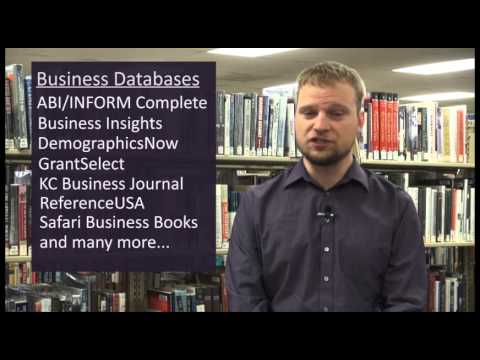
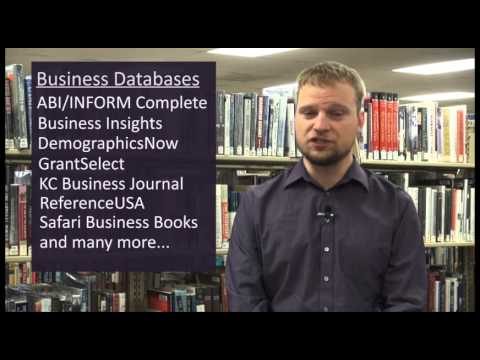
Small Business Resources at Your Local Library
Small Business Resources at Your Local Library
The library has books, videos, business databases, online classes, programs,and other resources to help your business.
Video Production Project OKC
Video Production In Oklahoma City

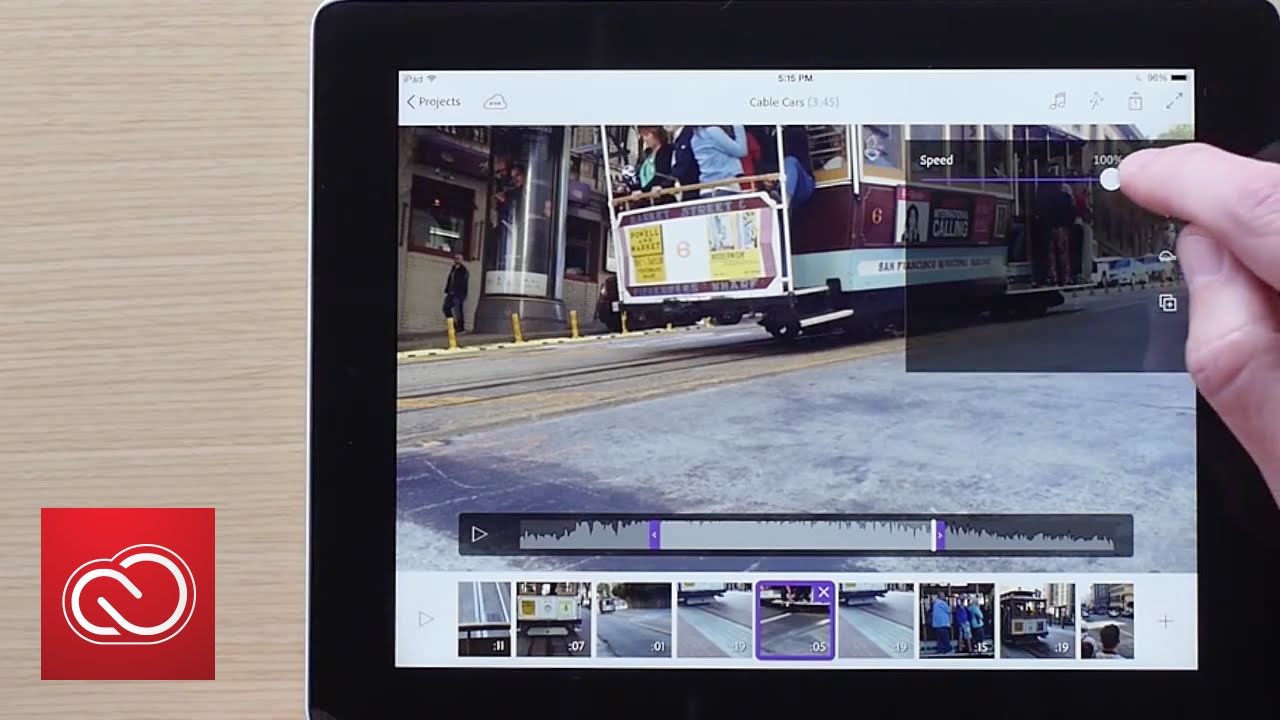
We were out in Oklahoma City this past weekend working on a video shoot for a client project and had an amazing experience working with the local production crew. Pre-production meetings took place at a local green screen studio where we all compared notes and planned for the shoot. We had a few actors, wardrobe changes, and few set props, but most of the backdrop was of local landmarks in and around Oklahoma City. We thought we would keep local landmarks in the video to stage a grassroots type feel for the client. The video wasn’t going to be broadcast on television but instead used for Youtube and Facebook video advertising campaigns. Social media has just absorbed video content like a sponge and the amount of people contributing content daily is keeping consumers pleased and engaged. It’s an industry ripe for the taking for any hungry marketer with a video camera or cell phone. Video is so easy to capture these days as most of our electronic devices come equipped with a built-in camera, and cameras, in general, are as cheap as they have ever been. Therefore, we felt that the platforms we wanted to syndicate this video on should be where everyone else that doesn’t have a million dollar budget is pushing video content. The shoot started early after our pre-production meeting and ran into the early afternoon. The people were great, we were able to send a live feed of the takes to our clients to get a real-time approval of the video clips as they were produced. Technology is definitely on the side of the videographer these days. Once we shot all our scenes and had it all approved, we packed up and headed back to the studio to make our cuts and create an edit decision list (EDL) for the final mix. The audio engineers were really prepared, they had multiple channels of clean audio to choose from and that helped. We had a few camera angles, so the cuts were nice and natural when they transitioned from one scene to the next. We used the Adobe Premier Suite for our post-production editing and the video came out really sharp after there were some color correction plugins ran on the different cameras to get them a little more even between cuts. We hired a marketing group called Beyond Theory that specialized in video production in OKC. They lined up the videographers, sound engineers, green screen studio, and the post-production house where we finalized the project before flying out of OKC. As another Usable Resource for any business owner, I would recommend the team at Beyond Theory in addition to the Adobe Premier Video Suite for your editing needs. Adobe offers a monthly license which makes owning it much more affordable than buying it outright. The monthly subscription plan gives you access to the software as well as updates made to the software and It also covers compatibility between operating systems. Video editing software has come a long way since the early days, and for the price point, you really can’t go wrong owning Adobe Premier or any of the Adobe Creative Cloud products. The audio editing features are good, but investing in a DAW like Pro Tools for post audio production is advised.
Recent Comments