
Looking for the Best Note Taking App? Try These 7 Picks for Small Business Users

You don’t always have a Post-IT note handy, but the chances are you’ve always got your smartphone by your side or laptop close by. Being able to jot down notes, flag important emails, record audio, create checklists and even collaborate lowers the stress level with a note taking app. Here’s a few top choices for small business users.
Best Note Taking App for Small Business
Evernote
This is an industry leader for a reason. Evernote provides 60 MB of free storage per month. One of the only downsides is the fact there’s a maximum file upload of 50 MB. Still when you’re looking for the best note taking app, innovation is a deciding factor. The new Spaces feature in Evernote Business lets team members have combined access on all current campaign ideas.
You can get this app for free or choose the Plus plan for $46.99 yearly. The Premium version will set you back $89.99 annually. There’s a Business plan for $12 per employee on a monthly basis. Download the free trial here.
OneNote
Simplicity is always best when it comes to notetaking apps. In fact, industry insiders say this is the only one that challenges Evernote’s supremacy in the field. There’s 1TB of online storage included here and your small business gets access to Office applications. If you’re a small business that already uses Office, the interface is going to be familiar.
On the other side of the coin, some of the features require you use their OneDrive cloud. You can get OneNote on Windows, Mac and the Web as well as mobile devices.
You’ll need a Microsoft account to get started.
Simplenote
Available for iOS, Windows, Linux, Android, Mac and on the Web, Simplenote allows you to see versions of previous notes. There is an easy-to-use slider that lets you see notes from before. The feature is great for clarifying points that were made and need to be revisited.
The instant search feature allows you to find ideas you thought you might never see again. These lists are updated instantly. Creating your free account is quick and easy.
Dropbox Paper
If your small business team works online, chances are you already have a Dropbox account. That makes it easier to check out Dropbox Paper. This app allows people to chat in real time while they’re editing a document. Keep an eye on everything your team is doing with this simple app.
It’s available on iPhone, iPad, Android and the web.
Google Keep
This app is designed for photos, lists and short notes. It’s good for reminders and quick thoughts but not so good for the big points from a big meeting. It is available on Android, the web and iOS. And the app is simple, effective and free. Download the it here.
Ulysses
Although this one is built specifically for writers, it’s useful for small business people who do their own marketing. Ulysses builds on the features you’d expect to get from a traditional word processor. It’s simple. The library places everything you write in one spot. There’s no need for Save dialogs or the kind of Finder searches that can waste your time and interrupt your train of thought.
The markdown text editor makes it great for writing on iOS and macOS and the flexibility and features are good for putting together work bulletins or a newsletter.
You get a 14 day free trial. After that, you’ll need a subscription at $4.99 monthly or $39.99 yearly.
Quip
Quip joined with Salesforce in 2016. The app is available on iOS, Android, macOS, Windows and on the web and has some great note taking features built right in. Small businesses can get documents, spreadsheets, tasks, lists and @mentions in one space. The Live Apps for Quip include polls, calendars and process bars.
If you’re looking for a pedigree here, co-founder Bret Taylor is responsible for Google Maps and even Facebook’s “like” button. The other founder, Kevin Gibbs, brought the Google App Engine to market.
Pricing starts at $30 per month for a team of five.
Photo via Shutterstock
This article, “Looking for the Best Note Taking App? Try These 7 Picks for Small Business Users” was first published on Small Business Trends

SALESmanago Offers Entrepreneurs One of Its Marketing Tools for Free

SALESmanago is giving a single marketing automation tool free to young entrepreneurs and startups in all industries.
The offer from SALESmanago is invaluable for individuals and companies just starting their entrepreneurial journey. And with digital presence now a key component for business success, using digital channels for your marketing is critical. Still, mastering the complexities of this new marketing approach may require effort startups can ill afford. For this reason, it seems likely the free marketing tools from SALESmanago will be more than welcomed.
Digital marketing is complicated, and for many small businesses marketing automation software is the best way to address the issue. This is because it takes more than just sending emails or creating a social media page to reach your audience, engage with them, and retain them for the long run. The offer from SALESmanago introduces businesses to the benefits of using such solutions.
Greg Blazewicz, CEO and Founder at SALESmanago, claims helping entrepreneurs is the main objective. In a press release, Blazewicz explains, “We understand that launching a new business is a risky and costly exercise. Also, a lot of companies at the very beginning does not need to have fully fledged marketing solutions but all they want is a single tool to solve specific marketing issue but still with the potential to grow their marketing ecosystem. The offer we made is directed to such companies.”
Free Marketing Automation Tool
SALESmanago is only providing a single automation marketing tool. But this tool includes Live Chat, Web Push, Pop-up, CRM and Contact Management features. If you want to add more services, you will have to switch to the SALESmanago Basic plan.
SALESmanago is a company providing marketing automation solutions to more than 10,000 companies, including some of the leading brands in the world across all industries. Everyone from KFC to New Balance, Starbucks, Pizza Hut and others uses the marketing automation technology.
You can try SALESmanago’s Marketing Automation Pro free for 30 days here.
Image: SALESmanago
This article, “SALESmanago Offers Entrepreneurs One of Its Marketing Tools for Free” was first published on Small Business Trends

Master the Art of Controlling Business Expenses with These 12 Tips

There are two main variables that will determine the profitability of your business: the revenue you have going in and the expenses you have going out. If you can retain control of these two variables, your business can continue operating successfully. Unfortunately, there are many other variables to consider. If you don’t manage them properly, it could lead your company to failure. Here are some ways to manage those major business expenses that impact all types of companies.
Managing Expenses
Let’s focus on the “expense” side of the equation. Here’s what it takes to manage your expenses effectively:
- Reducing expenses. When most people think about managing expenses, reducing those expenses as much as possible comes to mind. It’s a good strategy. Every dollar you save on expenses (while maintaining the same standards and operations) is an extra dollar of profit.
- Understanding and forecasting expenses. You also need to understand what your expenses are and how they work. For example, you should be able to predict your recurring costs. Plus, you should project how those costs might change over time. This allows you to keep your cash flow positive and make better sales goals. Ultimately, you can effectively chart the future of your business.
- Strategically taking on expenses. Managing expenses means taking on other expenses, provided they’re valuable to you. For example, you might invest more money in a new marketing campaign if it promises to return new sales.
Tips on How to Control Business Expenses
Let’s take a look at some of the major categories of expenses you’ll take on and how you can manage them more efficiently:
1. Wages and Benefits
Without a team of employees, your business won’t last long. If you’re just starting out, you’ll need to first decide who’s going to be on your team and what responsibilities they’re going to handle. Using Glassdoor or a similar salary index, you can calculate the going rate for each role you plan to hire. Estimate the cost of benefits you’re going to pay. This could range from next to nothing to tens of thousands of extra dollars a year. Keep your costs low here by only taking on the people you need to get the job done. Also, use independent contractors and other part-time help to cover anything else.
2. Rent (or Mortgage)
Aside from staff costs, this will be your biggest predictable expense. If you’ve purchased a building outright, that means making a mortgage payment and paying property taxes. If you’re renting, you’ll probably pay a flat rate. Even a small business can expect to pay several hundred to several thousand dollars a month in rent, depending on your area. Keep your space small and away from heavily populated areas or consider the option of subleasing your commercial space.
3. Equipment
Your business probably needs equipment, whether it’s a multi-million-dollar manufacturing piece or just a traditional copier/printer. that means spending at least several hundred dollars on initial equipment. Save money by finding devices that provide multiple functionalities in a single package or by buying used equipment rather than new. Make sure you understand the decreased life expectancy and/or performance of the used equipment.
4. Utilities and Office Supplies
The ongoing monthly costs of keeping a business open can also eat into your budget. Here, you’ll need to plan for things like water, electricity, gas, internet, and basic office supplies that include pencils, pens, and paper. Reduce utility costs by “going green” and installing more efficient equipment and occupying a smaller space. Also, enforce strict standards on how and when utilities are used, such as mandating that all devices are turned off and unplugged at the end of the night. If you wanted to get extreme with shaving office costs, you could go paperless and keep your office clutter-free.
5. Theft
You’ll need to consider your office may become vulnerable to criminals. Additionally, you should be aware of the threat that cyber attacks pose small businesses. All it takes is a single compromised password to bring your company to its knees. Accordingly, you’ll need to invest at least some money in better security standards. Fortunately, modern camera systems are relatively inexpensive, and protecting your digital presence is as simple as better educating your employees and keeping their software up-to-date. These strategies are both cost-free.
6. Other Losses
Consider lawsuits, natural disasters, and sudden changes that halt your income stream. There are many types of business insurance available. Get any policy that protects your business from a viable threat. However, you can reduce your rates by getting your policies with the same provider and committing to safer ongoing practices.
7. Professional Fees
Though some entrepreneurs like the idea of trying to handle everything themselves, there are some areas where novices can do more harm than good. For matters relating to the law, taxes, or other complex disciplines, it’s better to hire someone who knows what they’re doing. That means paying a steep hourly rate or retainer fee. Fortunately, if you do some digging, you can probably find someone affordable in each area who you can trust for sound advice. Start by asking other local business owners who they use and why, then interviewing them to get their perspectives.
8. Marketing and Advertising
If you want your business to generate more leads, interest, and brand recognition, you’ll need to invest in marketing and advertising. However, not all strategies are the same. You can save money by focusing on the strategies most likely to give you a high return on investment (ROI) or those that work especially well for your industry. It may take some time for you to find these candidates through experimentation, interviews with other business owners, and research. However, it’s worth the investment if it means getting a better rate and a higher return.
9. Professional Memberships
Depending on what industry you’re in, you may be required to pay professional membership or association fees. Otherwise, you risk being outside the industry. You might need to pay to get certified in a certain discipline or pay a monthly fee to be a part of a registry or database. Fees range from minimal to egregious. Unfortunately, there isn’t much you can do to reduce those costs unless you plan to operate outside those set standards and group operations.
10. Travel, Dining, and Entertainment
If your business involves traveling to meet with clients, pitch your company, or recruit talented people around the country, you might see significant expenses in the travel, dining, and entertainment category. You’ll need to reimburse yourself or your employees for when they travel to outside locations, take clients out to dinner, or even discuss business at entertainment events like sports. Keeping costs low here is a sacrifice. You’ll need to spend less money on fancy client dinners and substitute some video calls for in-person meetings. If it saves you hundreds of dollars a month, it may be worth it. This depends heavily on your industry, target market, and how much your business can afford to spend.
11. Repairs and Maintenance
If you own anything on behalf of the business, including your own building, your equipment, or personal devices like laptops, you’ll need to set aside money for repairs and maintenance. Preventative maintenance and proactive repairs tend to pale in comparison to the cost of major repairs and replacements. Work to find a reliable contact in each category who can handle these routine tasks.
12. Tax Preparation
Business taxes can be complex, covering multiple categories like income tax, estimated taxes, self-employment taxes, withheld taxes, and excise taxes. If you aren’t prepared for these expenses, they can take you by surprise. And, if you don’t pay them appropriately, you could get yourself in legal trouble.
Be Proactive
These tips should allow you to budget for expenses more accurately, and ultimately reduce your operating costs. If you can do this consistently, while also increasing the amount of revenue you bring in, there will be nothing left to stop your business from becoming profitable. The more you learn and the more experience you gain in this area, the more intuitive it will become. Keep investing in your financial skills and always work to manage your money better.
Republished by permission. Original here.
Image via Due.com
This article, “Master the Art of Controlling Business Expenses with These 12 Tips” was first published on Small Business Trends
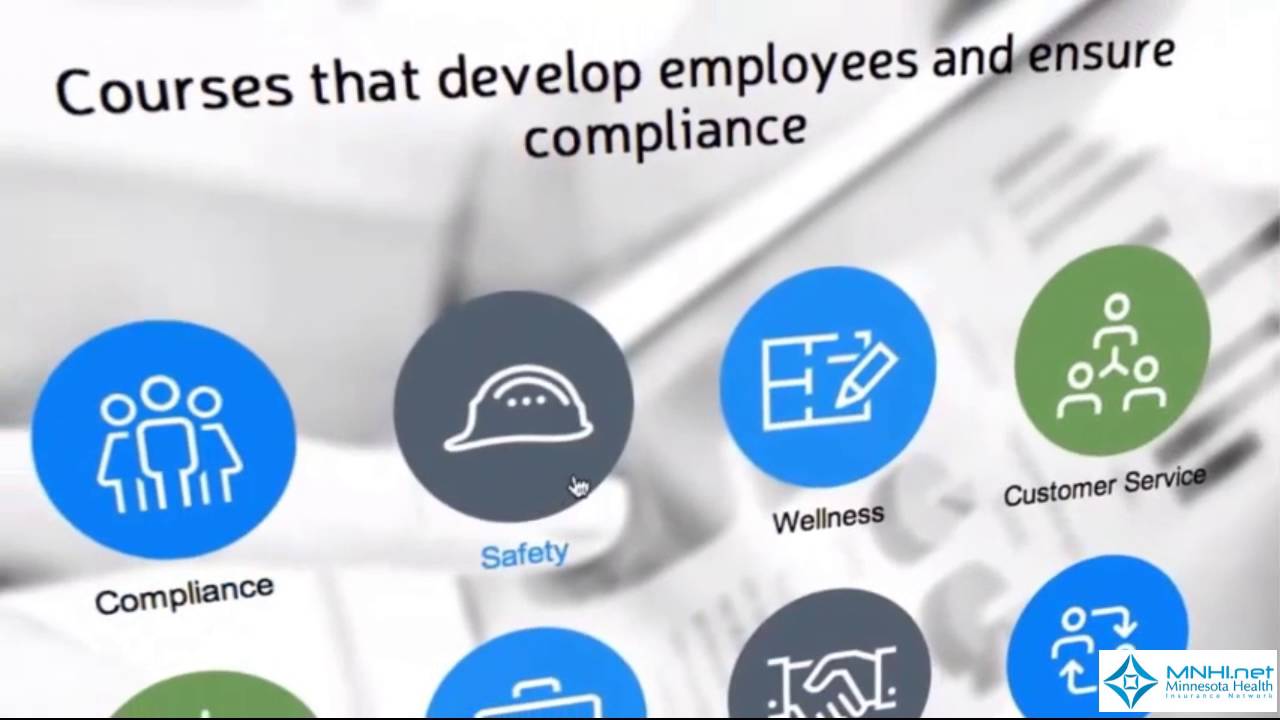
MN Human Resources Solutions for Small Business
MN Human Resources Solutions for Small Business
Check out the Human Resources Solutions from MN Health Insurance Network. Click on the link to read how it works:
http://mnhealthnetwork.com/MN-Employer-Group-Health-Insurance-ThinkHR.html

Lawyers and Law Firms Not Seeing the Benefits of Federal Tax Cuts

Law firms aren’t jumping for joy in the same way many other small businesses are because of the recent passage of a new tax bill. The Tax Cuts and Jobs Act includes plenty of deductions and changes that could benefit small businesses in various industries. But it also imposes some new limits on deductions that may be especially relevant for law firms.
For example, the 20 percent deduction for qualified income can certainly help pass-through entities like those structured as partnerships, S corporations, or certain LLCs. And law firms often do fall into this category. However, this deduction is limited based on income. So the typical salary level for lawyers could negate any potential benefits businesses can gain from this deduction.
Tax Cuts and Jobs Act Impact on Lawyers Limited
Evan S. Morgan, director of tax services in the Miami office of accounting firm Kaufman Rossin explained in an email interview with Small Business Trends, “This deduction is limited for lawyers and other professionals who make over $157,500 (single filer) or $315,000 filing jointly. For individuals with more than $207,500 for individuals and $415,000 for joint filers, the qualified business income deduction starts to phase out.”
There are also a few other limits or changes to the rules that could impact some common deductions for law firms. For example, business entertainment was previously available as a 50 percent deduction. But now any entertainment that would distract from business discussions can no longer be considered a business expense. So lawyers would not be able to take clients to the theater, but could still deduct some business dinners.
Additionally, businesses are now able to deduct only 50 percent of meals provided in the office to employees. And there are also immediate limits on interest expense deductions. Both of these changes apply to all businesses, but they happen to be especially relevant to law firms, according to Morgan.
The changes might seem small but for law firms courting new clients and regularly providing meals to keep employees productive throughout the day, those little things can add up. It can also make it necessary for those business owners to make some changes to their bookkeeping and expense tracking systems.
Morgan explains, “When the 50 percent limitations on meals and entertainment was first enacted in the 1980s, many companies were in the habit of lumping together all their travel-related expenses in a single account, making it difficult to determine which expenses were only partially deductible. With this new change related to business entertainment and meals, firms will need to require employees and partners taking clients to events to separate the cost of admission from the cost of meals purchased at the venue.”
As with many other types of businesses, the exact impact of the new tax bill will take some time to decipher. However, the small details like the ones Morgan has outlined can add up to be a big deal for certain types of businesses. So if your business is only looking at the major pass-through deductions and tax bracket shifts, it may be worth taking a closer look at some of the finer points.
Photo via Shutterstock
This article, “Lawyers and Law Firms Not Seeing the Benefits of Federal Tax Cuts” was first published on Small Business Trends

N’Ware Technologies Provides Old School Touch While Delivering High Tech Solutions

N’Ware Technologies may be an SAP Gold Partner delivering cloud and on premises ERP solutions to businesses in the manufacturing ad distribution industries.
But the company also provides an old school touch even when selling high tech offerings.
The N’Ware Technologies team communicates with most of its clients over the phone and in person, even though there is also a website and live chat for customers who prefer to do business that way. But no matter what each customer’s particular preferences, the team strives to provide personal service to everyone, performing walk-throughs of warehouses and manufacturing facilities and meeting with customers in person to make sure they have exactly the solution they need.
SAP (NYSE: SAP) recently recognized N’ware Technologies with the SAP North American Award for Partner Excellence for SAP Business One. The company was honored as part of the 2018 Regional Awards for Partner Excellence.
SAP 2018 Regional Award Winner – N’Ware Technologies
According to SAP, N’Ware Technologies’ industry focus is part of the reason the company has been able to serve its customers so effectively.
Dan Parent, CEO of N’ware Technologies said in a phone interview with Small Business Trends, “We only work with customers who we can actually help. If it’s not a great fit, we run away. We don’t want to do business with anyone who we can’t truly help. So we always make sure that the client is happy with everything before we escalate.”
Head of SAP Business One Sales for North America Steve Tait said in an email to Small Business Trends, “Keeping the customer at the center of every decision, Dan Parent has one of the highest customer satisfaction scores across the Business One channel.”
In addition to the industry focus, SAP recognized N’ware Technologies for its company culture, which helps every team member remain engaged and provide great service to every client. Parent says the company takes great pride in hiring the right people and making sure every employee aligns with the company’s values. Parent also focuses on creating a family approach where all the team members work together and support one another, as well as the company’s clients.
This type of recognition has meant a lot to the entire N’ware Technologies team, according to Parent.
He says, “It’s really all about our team. Our values are very, very important to us. Integrity, respect, a family approach and resilience have all helped us create a great sense of teamwork and accountability. We have tremendous appreciation for our team. It’s not easy — our employees travel and are on the road away from their families, working long days. So for me as a business owner, it just makes me very proud of our people that they’re able to deliver such a level of satisfaction that SAP would recognize them for it.”
Each year, SAP recognizes its regional partners around the world in a variety of categories. The company looks at sales data, along with achievement and performance numbers like customer satisfaction.
Parent says the recognition is especially meaningful coming from a company like SAP, with such a wide ranging base of partners and high standards for all the companies that deliver its products.
He says, “We’re extremely happy to be alive with SAP. It’s the best ERP company in the world. So for us, it’s not just looking back on this last year and being proud of what we’ve accomplished. We’re also looking forward, and a very important part of that is our continuing relationship with SAP.”
Image: N’Ware Technologies
This article, “N’Ware Technologies Provides Old School Touch While Delivering High Tech Solutions” was first published on Small Business Trends

US Chamber of Commerce Backs New Bill to Help Main Street Businesses

The US Chamber of Commerce sent a “key vote” letter to the Senate in support of S.2155, the Economic Growth, Regulatory Relief, and Consumer Protection Act. The bill looks to provide community banks with regulatory relief after the blanket implementation of financial regulations following the 2008 financial crisis.
US Chamber of Commerce Backs Dodd-Frank Relief for Small Banks
The letter highlights the difficulties faced by mains street businesses in the wake of regulations like the Dodd-Frank Wall Street Reform and Consumer Protection Act of 2010.
“Main Street businesses depend on community and regional banks for the financing necessary to get started, sustain operations, manage cash, make payroll, and create well-paying jobs. The ‘one-size-fits-all’ approach to regulation implemented in the wake of the 2008 financial crisis has severely constrained these banks’ ability to serve consumers and small businesses in their communities,” the letter explained.
On Tuesday, a bipartisan effort resulted in 17 Senate Democrats joining Republicans to advance the bill. A vote of 67-32 ended the debate on a motion to proceed, more than the 60 vote majority needed. The proposed legislation is expected to clear the Senate by next week at the latest.
In the letter, Jack Howard, Senior Vice President of Congressional and Public Affairs for the chamber, writes, “This bipartisan legislation is a step towards right-sizing regulations on community and regional banks and would help reverse the decade-long decline in small business lending.”
What Will S.2155 Accomplish?
S.2155 would amend several provisions of the Dodd-Frank Act, as well as other rules related to regulations in the financial industry. It specifically changes the regulatory framework for small depository institutions. These are lenders with assets under $10 billion (also classified as community banks).
Changes to consumer mortgage and credit-reporting regulations will also be implemented along with the authorities of the agencies regulating the financial industry.
The bill will stop clumping community banks together in the same regulatory frameworks designed for Wall Street institutions. According to the Independent Community Bankers of America (ICBA), this is “Fueling banking industry consolidation and leaving local communities with fewer financial services options.”
Proponents of the bill see more cash being available to businesses, which includes banks, credit unions and free-market groups. Opponents on the other hand see the dilution of the Dodd-Frank Act as the precursor to another financial crisis.
Photo via Shutterstock
This article, “US Chamber of Commerce Backs New Bill to Help Main Street Businesses” was first published on Small Business Trends

Paysafe and Verifone Offer Mobile POS to Restaurants and Small Retailers

A new partnership between Verifone (NYSE: PAY) and Paysafe will provide quick service for restaurants and small and medium-sized businesses across the United States with innovative payment solutions. Paysafe is a global provider of payment solutions while Verifone specializes in connecting payment devices to the cloud.
Paysafe and Verifone Team Up
As part of the agreement, Verifone says Paysafe will the first company to adopt Verifone Connect for use on its Carbon and Engage devices used by restaurants and small business retailers in the independent sales organization space. This will address the growing demand by small retailers for semi-integrated, cloud-based point of sale (POS) systems as they migrate away from traditional standalone terminals accepting only payments.
Small businesses are migrating to new POS and mobilePOS systems to accept digital wallets, Near field communication payments, loyalty programs with smartphones and other new payment technologies. The Verifone partnership with Paysafe brings these features to restaurants so customers can pay at the table, outside of the businesses and online, while supporting services merchants need.
Joe Mach, president of Verifone North America, explained the need to simplify POS systems for businesses. In a press release, Mach said, “As SMBs need more options and agile solutions to manage and grow their business, we are simplifying not just their payment needs but working with Paysafe to consolidate critical business apps such as customer and employee management and support into one solution.”
In addition to secure and adaptable, end-to-end solutions for accepting payments, these connected devices will allow businesses to engage with their customers. When paired with Carbon or Engage devices, Connect provides next-generation software and services.
The Engage line lets you interact with your customers by offering personalized content, individualized loyalty rewards and discounts, ability to pay with points and more. The open architecture platform makes POS systems into a rich two-way conversation solution across different mobile devices without compatibility issues.
The Growth of mPOS in Retail
Mobile point of sale has changed the retail experience for both customers and businesses. The checkout counter can now be anywhere in your restaurant or store allowing you to accept cashless payment options on the spot.
With more customers using their mobile devices to make payments, mobile point of sales solutions have become an expected option at brick and mortar businesses. The partnership between Verifone and Paysafe will make this possible with quick deployment and integration.
Image: Business Wire
This article, “Paysafe and Verifone Offer Mobile POS to Restaurants and Small Retailers” was first published on Small Business Trends


Small Business Resources @ Your Public Library
Small Business Resources @ Your Public Library
Recorded on January 6, 2011 using a Flip Video camcorder.

Small Business Write Offs Through Investing in Oil & Gas – Razor Resources LLC
Small Business Write Offs Through Investing in Oil & Gas – Razor Resources LLC
Razor Resources LLC
Houston, Texas
(281) 624-6090
http://www.RazorResourcesLLC.com
Oil Landman Ramon De Hoyos talks with The Business Experience Show (Excerpt)
Hear the full ten minute TBES interview at: http://youtu.be/n5LNv350ql4
Many small businesses are taking advantage of the generous tax write-offs offered for investing in oil and natural gas exploration.
http://www.RazorResourcesLLC.com
Recent Comments