Posts in Category: Business


5 Simple Ways to Save Money in Your Business in 2026
Have you successfully started a small business as an entrepreneur? You always try to achieve your new goals and find fresh opportunities. But, a financial concern is common for many small businesses and startups. So, how will your business save money and remove its finance-related issues? You must not compromise on your product or service quality.
There are various money-saving options to make your business profitable. Smart strategies will help meet your financial goals while running the business smoothly.
In 2026, you need to create a plan for saving money while maintaining long-term business growth. A few tips will help you reduce business operating costs!
1. Reduce Energy Usage
Monthly energy bills are high for businesses with larger commercial facilities. But, with thoughtful strategies, you will save a significant amount on your energy bill.
- Install flush air vents to maintain airflow and reduce strain on your system
- Switch to LEDs, as they consume less energy to illuminate the space
- Use smart thermostats that automatically adjust your building’s temperature
2. Invest in Preventive Maintenance
Most commercial facilities have electrical appliances and industrial machines that need regular upkeep. Preventive maintenance is a money-saving option for a business because it:
- Reduces downtime and the risk of costly repairs
- Improves the energy efficiency of your heating and cooling systems
- Extends the average lifespan of your industrial machines
- Helps you comply with rules and regulations
Thus, schedule an inspection for your appliances and save money in the long run.
3. Review Your Supplier Contracts
To save money and increase your annual profits, review your contracts with vendors. This strategic procurement practice will also help you improve cash flow.
By conducting audits, you can identify vendors who have charged a higher rate. You may also practice negotiation to have favorable payment terms. In case vendors have breached the contract, they need to pay fines.
4. Use Software to Save Money
Traditional approaches involve manual efforts in running a business. However, by leveraging innovative software, you will save money in different ways.
For instance, accounting activities are easily manageable with special applications. The best software lets you track your earnings and monitor invoices. Advanced software also helps you analyze monthly profit and loss.
Similarly, a website can be developed with a drag-and-drop platform, available at a minimal cost.
5. Automate Your Business Savings
By using the latest technology, you can automate savings and reduce your temptation to spend. A good automation system will also help you avoid penalties due to late payment. There are several advantages of using automated technologies:
- Reach your savings goals consistently.
- Reduce your decision fatigue
- Improve credit scores with on-time payments
Every business aims to save more money, but it is not about cutting essential services. You have to be strategic when making decisions on your business. With supplier management, energy efficiency, and automation, you can save costs sustainably. A few minor adjustments will result in financial benefits in the future!


From Paper to Pixels: Digitising Healthcare with Barcode Scanners
Medical facilities maintain ongoing pressure to provide superior care through limited budget allocations. Barcode scanners represent an effective solution to achieve this goal. Healthcare providers achieve better accuracy and speed and improved patient outcomes through digital workflows that replace paper-based processes.
Why Paper Falls Short
Paper charts and labels are prone to:
- Human error
- Lost or damaged records
- Time-consuming duplication
The issues that arise from these problems affect operational efficiency and simultaneously generate safety risks. Medical errors become dangerous when staff members misread labels or enter incorrect information.
Scanners Save Lives (and Time)
The staff can verify patient identity and match medications and confirm procedures through barcode scanners which provide instant results. Nurses use seconds to scan patient wristbands and medication labels and charts for verifying proper alignment.
The HIMSS study demonstrated barcode medication administration reduces errors by more than 40%.
Hardware That’s Ready for the Job
The healthcare environment requires scanners that operate quickly and precisely while maintaining easy sanitization capabilities. The ScanAvenger product line includes specialized models designed for healthcare settings which offer wireless functionality and extended battery life and hands-free operation for environments that require multitasking.
Less Paper, More Care
The process of digitization brings both convenience and the ability to dedicate more time to patient care while enhancing documentation precision and establishing safer healthcare systems. Barcode scanning serves as a fundamental component for modernizing healthcare operations through digital transformation.
How Small Businesses Can Leverage QR Code Analytics for Better Customer Insights
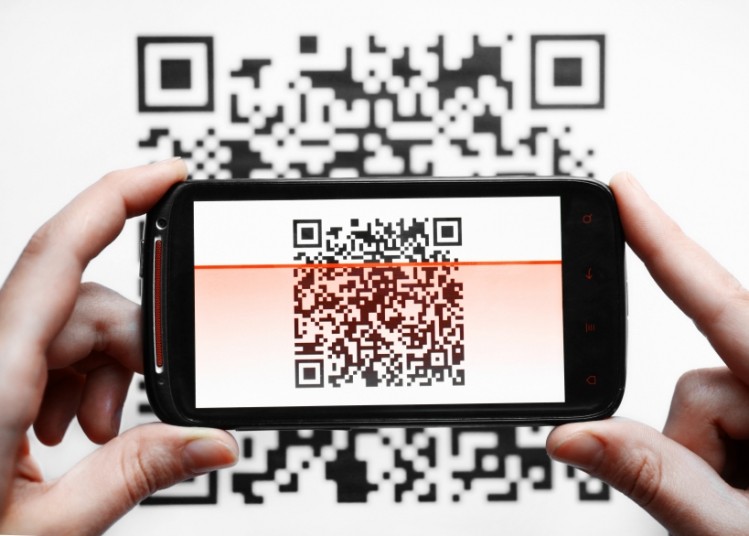
As small businesses compete in an increasingly digital world, understanding customer behavior is more critical than ever. One of the most valuable tools for gaining real-time customer insights is QR code analytics. When integrated with marketing and sales strategies, QR codes provide small businesses with an opportunity to track and analyze customer engagement in ways that are both cost-effective and easy to implement.
By incorporating wireless QR code readers and dynamic QR codes, businesses can collect a wealth of data that helps them make informed decisions, personalize customer experiences, and improve operational efficiency.
The Role of QR Codes in Customer Engagement
QR codes have become a popular tool for small businesses due to their versatility and ease of use. By placing QR codes on marketing materials, product packaging, or in-store displays, businesses can connect customers to online content, special promotions, or even mobile payment portals. When a customer scans the QR code, they are directed to specific digital content, such as a landing page, video, or discount offer. This engagement can be tracked in real-time, offering valuable insights into customer preferences and behaviors.
Dynamic QR codes take this a step further by enabling businesses to update the content behind the code without changing the code itself. This is particularly useful for time-sensitive promotions or seasonal marketing campaigns. More importantly, these codes come with built-in analytics tools that provide detailed data on when, where, and how the QR codes are being scanned.
Key Benefits of QR Code Analytics for Small Businesses
- Track Customer Behavior in Real-Time QR code analytics allow small businesses to gather real-time data on how customers interact with their marketing efforts. This includes information about the location and time of the scan, as well as the type of device used. These insights help businesses identify patterns in customer behavior.
- For example, a restaurant might use QR codes on its menus to see which items are most frequently scanned and viewed by customers.
- Retailers can track which product packaging or store displays generate the most interest and adjust their marketing strategies accordingly.
- Measure Marketing Campaign Success One of the most powerful features of QR code analytics is the ability to measure the effectiveness of marketing campaigns. By tracking how many people scan a QR code and take a desired action—such as visiting a website, signing up for a newsletter, or making a purchase—businesses can determine the return on investment (ROI) for each campaign.
- Businesses can compare the performance of different marketing channels (e.g., flyers, social media posts, or in-store promotions) by using separate QR codes for each.
- Real-time data helps businesses pivot quickly, adjusting campaigns that are underperforming or doubling down on those that are driving engagement.
- Personalized Customer Experiences QR code data can also be used to personalize the customer experience. For example, businesses can use dynamic QR codes to deliver tailored offers based on a customer’s past interactions. By tracking which codes a customer scans, small businesses can gain insights into their preferences and adjust their offers accordingly.
- A small retail store might use QR code analytics to determine which products or promotions are most popular among certain customer segments and offer targeted discounts or personalized recommendations.
- Restaurants can personalize their loyalty programs by using QR codes that track individual customer visits, allowing them to offer rewards that are more relevant to each customer’s dining habits.
- Optimize Operations QR code analytics aren’t just for customer-facing strategies; they can also help optimize internal operations. By tracking when and where QR codes are scanned, small businesses can better understand the flow of foot traffic in physical stores, identify peak shopping times, and adjust staffing or inventory accordingly.
- A coffee shop, for instance, might use QR codes on its takeaway cups to track customer visits and analyze busy periods throughout the day, helping to optimize staffing levels and stock management.
- Businesses can use scan data to forecast demand for specific products or services, ensuring they are well-stocked and prepared for high-traffic periods.
Real-World Applications of QR Code Analytics
Many small businesses have already begun integrating QR code analytics into their marketing and operational strategies:
- Cafes and restaurants have used QR codes on tables and menus to collect feedback from customers about their dining experience, improving service and product offerings based on real-time data.
- Retailers use QR codes on product tags to provide customers with additional product information, while also tracking which products are getting the most attention. This data helps them adjust pricing, placement, and promotions to maximize sales.
- Event organizers leverage QR code analytics to track attendee engagement during conferences, concerts, or exhibitions, helping them better understand the interests and behavior of participants.
Best Practices for Using QR Code Analytics
- Test Across Different Devices: Ensure that your QR codes work seamlessly across various smartphones and devices. This helps maximize engagement and ensures that no customer is excluded from your digital experience.
- Use Dynamic QR Codes for Flexibility: Dynamic QR codes allow you to update the content linked to your code in real-time without having to reprint materials. This is particularly useful for ongoing promotions or time-sensitive content.
- Integrate with CRM Systems: By integrating QR code analytics with your customer relationship management (CRM) system, you can create a more personalized experience for your customers, tracking their preferences and behaviors over time.
Powerful Tools
QR code analytics offer small businesses a powerful tool for understanding customer behavior, optimizing marketing campaigns, and enhancing the customer experience. With the ability to track real-time data, small businesses can make informed decisions that improve both engagement and operational efficiency. As QR codes continue to grow in popularity, leveraging their analytical capabilities will become an essential part of any small business’s strategy to stay competitive in an increasingly digital marketplace.


Why Appearance and First Impressions Matter in Business
If you run a small business, you know that first impressions are key. The appearance of your business matters both in person and online. Your brand voice and messaging should be reflected in the way your business looks, no matter how small or large it is.
However, your and your employees’ appearances can make a big difference as well; their clothing should be clean and professional, while still reflecting the values of your business. Moreover, a complete and cohesive look can make your employees look more professional and reliable in the eyes of your customers and clients.
Beyond wardrobe considerations, grooming is also important; hair should be neat and cleanly maintained, while facial hair should be kept short and even. Whether a women’s or men’s haircut in Scottsdale, look for a reliable service that will keep you looking professional for all prospective clients and suppliers. Paying attention to details such as these will help ensure that you are projecting the right image to the public.
Let’s not forget, body language is also a powerful tool when it comes to making a good impression. Being friendly and open with people can help you win clients as well as create positive working relationships. Also, adopting an enthusiastic attitude and smiling whenever possible will help create a more welcoming atmosphere for those around you.
Finally, being organized and timely will help you leave the best impression possible. This means having all of your business materials, such as brochures, business cards, or reports, ready to go when needed. It also means being punctual for meetings and deadlines so that people don’t lose trust in you.
If you invite people to your office, make sure it doesn’t look cluttered or unkempt. Strive to keep a neat and professional look in your office space as this will create a sense of trust and reliability in the eyes of prospective customers, clients, and suppliers. Nobody wants to walk into an untidy, filthy office, right?
Mistakes People Make with First Impressions
Whether it’s with prospective suppliers or clients, people are judging you and your business from the moment they walk in. Common mistakes include not making eye contact, crossing your arms, or being too nervous and fidgety. All of these things can give off a poor impression and may make people think that you are unprofessional or unreliable.
Also, remember to be mindful of how you come across when speaking with other people; speak with confidence and avoid using slang or overly informal language. It’s important to stay humble, but also be confident in your and your business’s abilities.
Finally, another common mistake is not having a clear understanding of yourself and your business; if people ask questions about what you do, make sure that you can answer them concisely and accurately; this will show that you know what you’re talking about and can be trusted.
In conclusion, having a great first impression is key to success in business. People are judging your business from the moment they walk in, so it’s important to make sure that all aspects of your appearance – from clothing and grooming to body language and organization – are considered. Go get those clients and transform your business into a successful one!
Recent Comments