How Small Businesses Can Leverage QR Code Analytics for Better Customer Insights
As small businesses compete in an increasingly digital world, understanding customer behavior is more critical than ever. One of the most valuable tools for gaining real-time customer insights is QR code analytics. When integrated with marketing and sales strategies, QR codes provide small businesses with an opportunity to track and analyze customer engagement in ways that are both cost-effective and easy to implement.
By incorporating wireless QR code readers and dynamic QR codes, businesses can collect a wealth of data that helps them make informed decisions, personalize customer experiences, and improve operational efficiency.
The Role of QR Codes in Customer Engagement
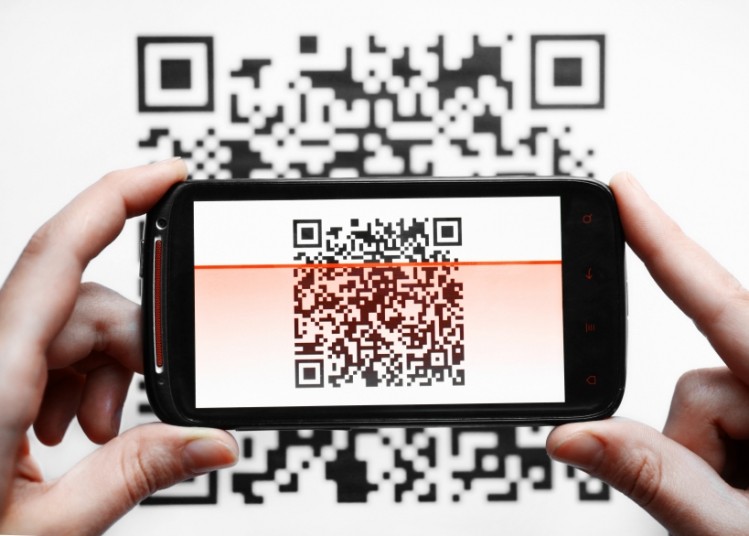
QR codes have become a popular tool for small businesses due to their versatility and ease of use. By placing QR codes on marketing materials, product packaging, or in-store displays, businesses can connect customers to online content, special promotions, or even mobile payment portals. When a customer scans the QR code, they are directed to specific digital content, such as a landing page, video, or discount offer. This engagement can be tracked in real-time, offering valuable insights into customer preferences and behaviors.
Dynamic QR codes take this a step further by enabling businesses to update the content behind the code without changing the code itself. This is particularly useful for time-sensitive promotions or seasonal marketing campaigns. More importantly, these codes come with built-in analytics tools that provide detailed data on when, where, and how the QR codes are being scanned.
Key Benefits of QR Code Analytics for Small Businesses
- Track Customer Behavior in Real-Time QR code analytics allow small businesses to gather real-time data on how customers interact with their marketing efforts. This includes information about the location and time of the scan, as well as the type of device used. These insights help businesses identify patterns in customer behavior.
- For example, a restaurant might use QR codes on its menus to see which items are most frequently scanned and viewed by customers.
- Retailers can track which product packaging or store displays generate the most interest and adjust their marketing strategies accordingly.
- Measure Marketing Campaign Success One of the most powerful features of QR code analytics is the ability to measure the effectiveness of marketing campaigns. By tracking how many people scan a QR code and take a desired action—such as visiting a website, signing up for a newsletter, or making a purchase—businesses can determine the return on investment (ROI) for each campaign.
- Businesses can compare the performance of different marketing channels (e.g., flyers, social media posts, or in-store promotions) by using separate QR codes for each.
- Real-time data helps businesses pivot quickly, adjusting campaigns that are underperforming or doubling down on those that are driving engagement.
- Personalized Customer Experiences QR code data can also be used to personalize the customer experience. For example, businesses can use dynamic QR codes to deliver tailored offers based on a customer’s past interactions. By tracking which codes a customer scans, small businesses can gain insights into their preferences and adjust their offers accordingly.
- A small retail store might use QR code analytics to determine which products or promotions are most popular among certain customer segments and offer targeted discounts or personalized recommendations.
- Restaurants can personalize their loyalty programs by using QR codes that track individual customer visits, allowing them to offer rewards that are more relevant to each customer’s dining habits.
- Optimize Operations QR code analytics aren’t just for customer-facing strategies; they can also help optimize internal operations. By tracking when and where QR codes are scanned, small businesses can better understand the flow of foot traffic in physical stores, identify peak shopping times, and adjust staffing or inventory accordingly.
- A coffee shop, for instance, might use QR codes on its takeaway cups to track customer visits and analyze busy periods throughout the day, helping to optimize staffing levels and stock management.
- Businesses can use scan data to forecast demand for specific products or services, ensuring they are well-stocked and prepared for high-traffic periods.
Real-World Applications of QR Code Analytics
Many small businesses have already begun integrating QR code analytics into their marketing and operational strategies:
- Cafes and restaurants have used QR codes on tables and menus to collect feedback from customers about their dining experience, improving service and product offerings based on real-time data.
- Retailers use QR codes on product tags to provide customers with additional product information, while also tracking which products are getting the most attention. This data helps them adjust pricing, placement, and promotions to maximize sales.
- Event organizers leverage QR code analytics to track attendee engagement during conferences, concerts, or exhibitions, helping them better understand the interests and behavior of participants.
Best Practices for Using QR Code Analytics
- Test Across Different Devices: Ensure that your QR codes work seamlessly across various smartphones and devices. This helps maximize engagement and ensures that no customer is excluded from your digital experience.
- Use Dynamic QR Codes for Flexibility: Dynamic QR codes allow you to update the content linked to your code in real-time without having to reprint materials. This is particularly useful for ongoing promotions or time-sensitive content.
- Integrate with CRM Systems: By integrating QR code analytics with your customer relationship management (CRM) system, you can create a more personalized experience for your customers, tracking their preferences and behaviors over time.
Powerful Tools
QR code analytics offer small businesses a powerful tool for understanding customer behavior, optimizing marketing campaigns, and enhancing the customer experience. With the ability to track real-time data, small businesses can make informed decisions that improve both engagement and operational efficiency. As QR codes continue to grow in popularity, leveraging their analytical capabilities will become an essential part of any small business’s strategy to stay competitive in an increasingly digital marketplace.
Comments are Disabled